What Happens Behind the Classroom
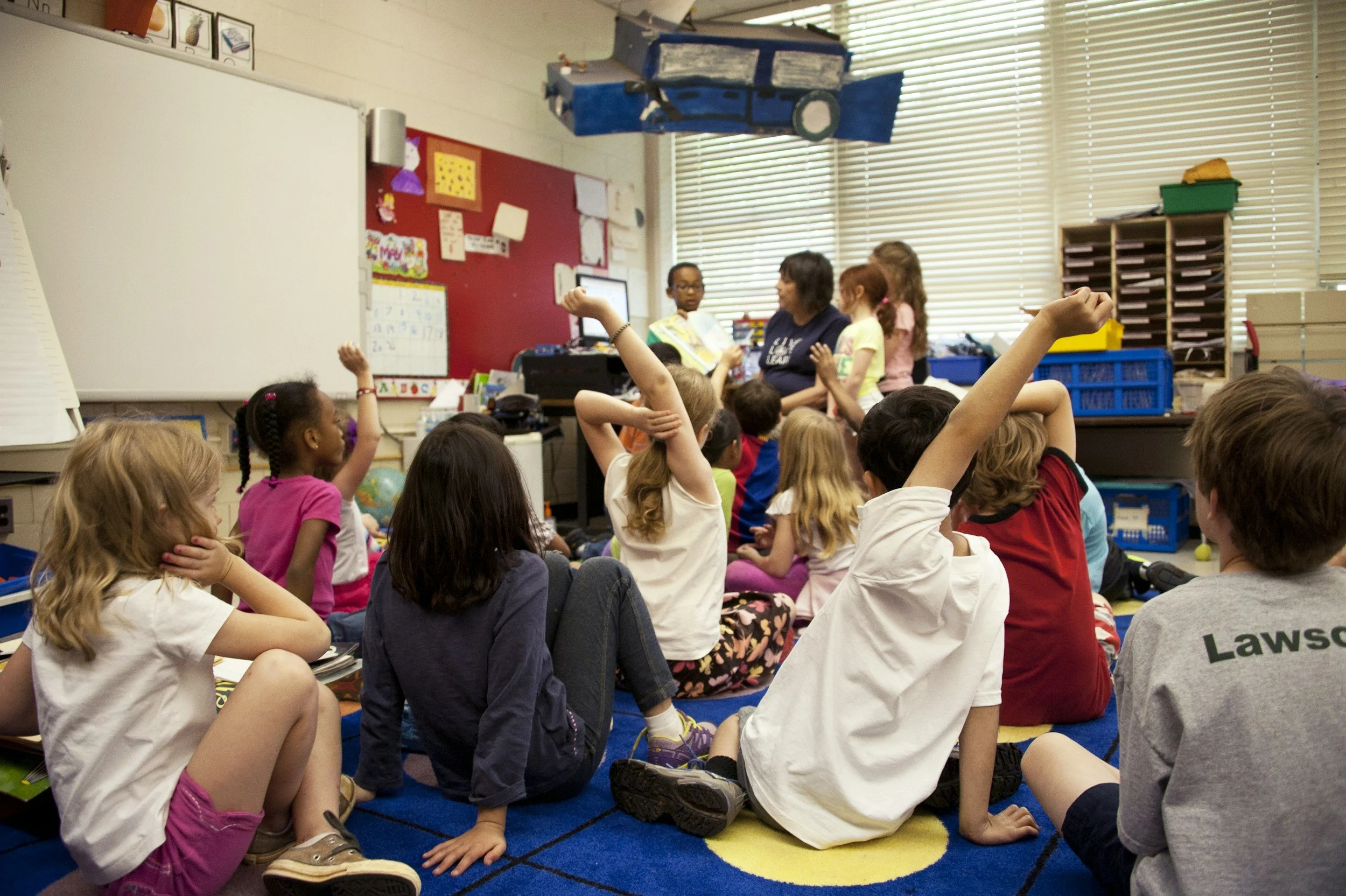
When we think about child care, we often think about what happens inside the classroom: children learning and playing, educators building relationships with families, and daily routines that help young children feel safe and supported. But keeping a child care program open requires much more than what happens between drop-off and pick-up.
Behind every classroom is a network of administrative, operational, financial, and community systems that need to come together for child care to work. For smaller centers, particularly in rural communities, managing all of those responsibilities alongside delivering care can be a significant challenge. Building these systems and connections is essential to helping child care programs in New Hampshire remain open, adapt to change, and serve families over the long term.
The Work Behind The Work
Child care providers are tasked with many of the same responsibilities as any small organization or business. They need to manage finances, maintain compliance, support staff, coordinate day-to-day operations, and build relationships with families and community partners. That requires systems for budgeting and cash flow, licensing and reporting, hiring and scheduling, recordkeeping, communication, and long-term planning.
At the same time, their primary responsibility is providing safe, high-quality care and early learning for children. That creates a difficult balance. A program may have strong educators and a deep commitment to its community, but still struggle with the administrative work required to sustain the organization.
For smaller programs, these responsibilities often fall to leaders who are already focused on running the program and caring for children. A center director might be managing a budget in the morning, responding to a staffing issue in the afternoon, and working on compliance requirements after the children have gone home.
Strong administrative and operational infrastructure can help programs stay organized, identify challenges early, and plan for what comes next. It can also create capacity for child care leaders to focus on providing care.
Shared Services Can Help Providers Stay Focused On Care
Smaller child care programs don't necessarily need to build every financial, administrative, and operational function on their own. Shared services can give providers access to systems and expertise that may be difficult to maintain independently.
That support can include:
Financial management and budgeting to understand costs, manage budgets, and make informed decisions.
Cash flow and sustainability planning to prepare for changes in enrollment, expenses, staffing, and other factors that affect long-term stability.
Compliance and reporting systems to help programs stay organized and meet ongoing licensing and administrative requirements.
HR and employment infrastructure to support hiring, compensation, scheduling, training, and other workforce needs.
Operational coordination to help manage the many day-to-day systems that keep a program running.
For rural programs in particular, shared services can create opportunities to share expertise and resources that may otherwise be out of reach. They can also help programs build capacity without requiring every provider to carry every responsibility alone.
Building The Infrastructure Around Child Care
That’s where Evergreen Start can make a difference. Building that kind of support infrastructure in New Hampshire is an important part of creating the conditions for child care programs to remain strong and responsive to their communities.
The goal is never to replace the expertise or leadership of child care providers, but rather to strengthen the infrastructure around them so they have the support and capacity to focus on what they do best: caring for and educating young children.
Keeping The Doors Open
A center's ability to remain open depends on many interconnected factors, such as having enough qualified educators, managing finances, meeting licensing requirements, maintaining facilities, and planning for the future. It depends on the people, systems, relationships, and resources that support the work behind the scenes.
For rural communities, building that infrastructure can be especially important. When resources are limited, shared services and stronger connections can help programs access the expertise they need while remaining focused on the children and families they serve.
Keeping child care stable is not the responsibility of one provider or one organization. It takes a network of people and systems working together to create the conditions that allow programs to remain open, adapt to change, and serve their communities over time.
The work may happen behind the scenes, but it makes everything else possible.